When it comes to improving outdoor spaces, concrete offers strength, versatility, and timeless appeal. Whether you’re planning a new driveway, patio, shed slab, or walkway, quality artistry makes all the difference. Working with concreters Toowoomba ensures every project is designed for durability, proper drainage, and lasting visual impact.
A solid slab isn’t just about appearance—it’s about precision in preparation, materials, and technique. This guide covers what homeowners should know before starting a project: how conditions affect results, the most common services available, what to expect during the process, and how to maintain your investment for years to come.
Why Local Conditions Influence Concrete Performance
Environmental factors play a major role in how long a slab lasts. Areas that experience both frost and heat require careful timing during pours and curing. Temperature changes cause expansion and contraction, which can lead to cracking if the mix or reinforcement isn’t right.
Soil type is equally important. Reactive clays expand when wet and shrink when dry, creating ground movement beneath slabs. Professional concreters address this by compacting stable bases, reinforcing with mesh, and ensuring proper drainage before any pour begins.
Local regulations can also affect design and construction, particularly for driveways and crossovers. Reputable contractors handle compliance and permits, ensuring the project meets council standards from start to finish.
Common Concrete Services
Driveways and Crossovers
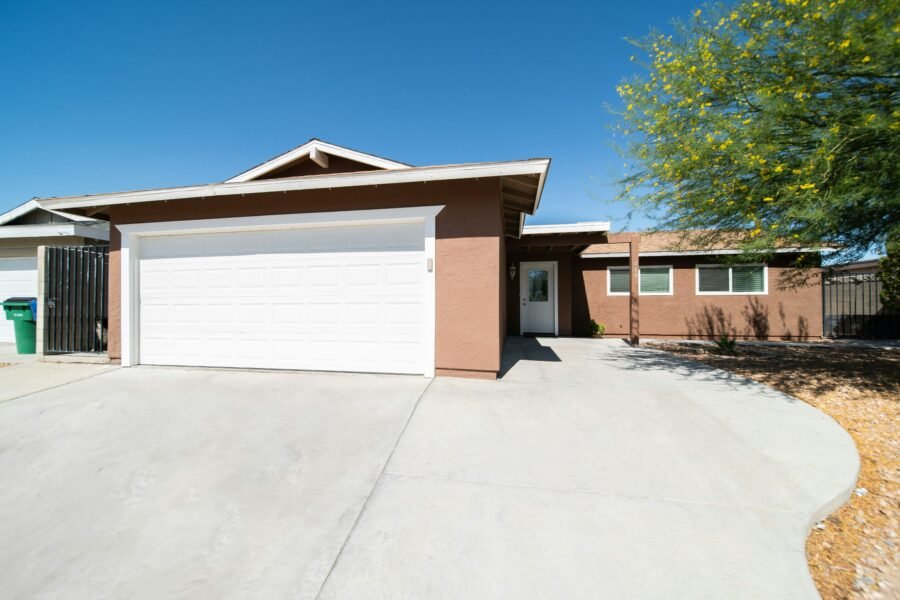
Driveways endure heavy loads and daily use. Quality work starts with a properly prepared base, followed by concrete of adequate strength—typically 25–32 MPa—with expansion and control joints to minimize cracking. Homeowners can choose from a range of finishes, including smooth broom textures, decorative exposed aggregate, or colored designs.
House and Shed Slabs
For larger structural slabs, precision is crucial. Contractors collaborate with engineers to meet building codes, install vapor barriers, and use reinforcement mesh that prevents movement over time. Proper leveling and curing are key to achieving a durable, stable base for construction or storage.
Patios, Paths, and Outdoor Areas
Outdoor areas require thoughtful planning to combine comfort and function. Slip-resistant finishes and proper surface finishes prevent pooling water, while sealers help resist stains and fading. Decorative cutting or patterning can also transform plain concrete into a design feature.
How to Choose the Right Contractor
Licensing and Experience
Always confirm your concreter holds the appropriate license and insurance. Qualified professionals follow Australian Standards for safety, reinforcement, and curing practices. They’re also more likely to plan around weather conditions, ensuring the pour sets correctly.
Clear Communication and Transparent Quotes
A detailed quote should outline everything from excavation and base preparation to reinforcement, finish type, and sealing. Comparing inclusions—not just prices—helps you gauge real value. Contractors who take time to explain each step often deliver the best results.
Reputation and Reviews
Strong local reputations speak volumes. Look for consistent positive feedback mentioning punctuality, cleanliness, and lasting quality. Reliable concreters pride themselves on clear communication and follow-through.
The Concrete Process, Step by Step
- Preparation: Excavation, base compaction, and formwork setup.
- Reinforcement: Mesh and vapor barriers are added to strengthen and stabilize the slab.
- Pouring and Finishing: Concrete is evenly placed, vibrated to remove air pockets, and finished according to your chosen texture.
- Curing and Cutting: Moist curing helps prevent premature cracking, and joints are cut within 24 hours to control shrinkage.
Foot traffic is generally safe within two days, while vehicles can typically use driveways after about a week. Full curing takes roughly 28 days.
Average Costs and Timelines
Prices depend on site access, design, and finish, but average ranges include:
- Plain concrete: $90–$130 per m²
- Colored concrete: $110–$150 per m²
- Exposed aggregate: $120–$180 per m²
- Shed slabs: $110–$160 per m² (plus engineering if needed)
Most residential projects take two to four working days, excluding curing time. Weather conditions often influence scheduling and completion.
Caring for Your Concrete
After installation, applying a sealer protects against UV exposure, moisture, and stains. Reapply every few years for continued protection—clean surfaces with mild detergent rather than harsh chemicals or high-pressure washing to prevent erosion.
Hairline cracks are normal, but wider gaps or uneven surfaces may indicate movement beneath the slab and should be checked promptly. Simple repairs or resurfacing can restore strength and appearance when caught early.
Final Thoughts
Concrete projects succeed when the foundation—both literally and figuratively—is handled correctly. Skilled professionals ensure every step —from preparation to completion —meets both structural and aesthetic goals. By comparing detailed quotes, confirming credentials, and investing in proper care, property owners can enjoy strong, attractive concrete surfaces that stand the test of time.
Whether it’s a new driveway, an outdoor entertaining area, or a sturdy shed slab, partnering with experienced specialists guarantees results built to last.