Designing and building a home is one of the most rewarding projects you can take on. From the first sketches to the final finishes, every decision influences not just the look of the house but how it feels to live in. One of the biggest design choices homeowners face today is whether to embrace an open floor plan or opt for defined rooms. Each approach has distinct advantages, and the best choice depends on lifestyle, family needs, and personal preferences. Working with experienced builders shellharbour can help ensure these design decisions translate into a functional and cohesive home.
The Appeal of Open Floor Plans
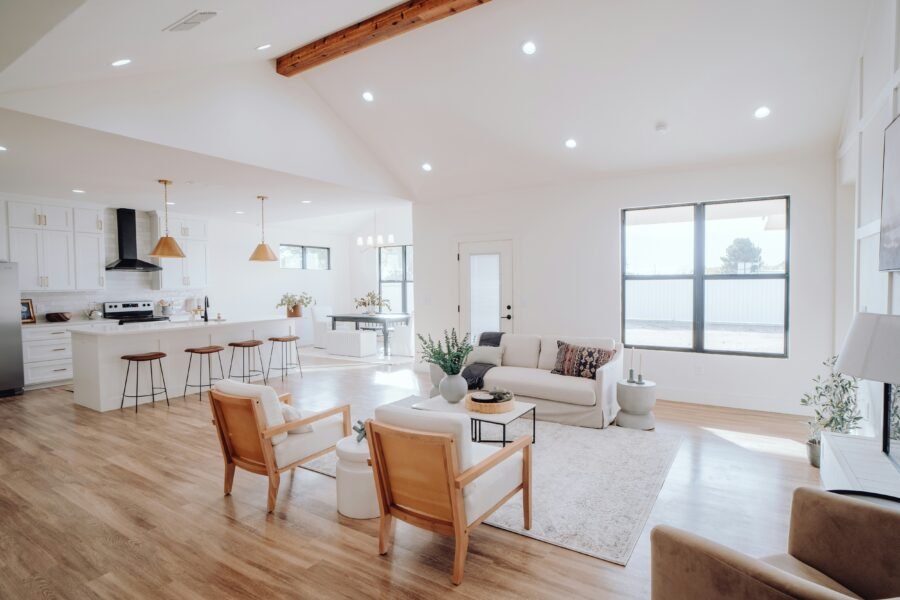
Open floor plans have become synonymous with modern living. By removing barriers between key areas—typically the kitchen, dining, and living spaces—these designs promote connectivity and light. They make even smaller homes feel spacious, airy, and inviting.
1. Enhanced Social Interaction
An open floor plan creates a central hub where families can gather. Parents can prepare meals while staying engaged with children doing homework or guests relaxing nearby. The lack of walls encourages togetherness and keeps everyone part of the same activity, making it ideal for entertaining or family-oriented living.
2. Natural Light and Flow
When walls come down, light can travel freely throughout the home. This natural illumination creates a sense of warmth and comfort while reducing the need for artificial lighting. The flow between areas also gives more flexibility for furniture placement and decorating styles.
3. Flexibility for Modern Lifestyles
As more people work from home, open spaces can easily adapt to multiple uses. A corner of the living room might double as a workspace, while movable furniture allows the space to evolve with changing needs. Open layouts offer versatility that defined rooms often can’t match.
However, open plans aren’t perfect for everyone. The same openness that promotes connection can also make it hard to find quiet or privacy. Noise travels easily, and kitchen smells can spread throughout the living area. To counter this, homeowners often add partial walls, screens, or creative zoning through rugs, furniture, and lighting.
The Case for Defined Rooms
Defined rooms—each with a specific function—are making a comeback among homeowners seeking order, comfort, and privacy. Rather than one expansive area, these layouts create distinct spaces with clear purposes, giving a sense of structure and coziness.
1. Privacy and Focus
A defined layout allows for separation between activities. This is especially valuable in busy households where multiple people need quiet or solitude at the same time. Reading, working, or relaxing becomes easier without the noise and distraction of a shared open space.
2. Temperature and Energy Efficiency
Closed rooms can be heated or cooled more efficiently. With walls and doors to contain airflow, maintaining comfortable temperatures becomes easier and often more energy-efficient, especially in homes with multiple zones or levels.
3. Design Character and Functionality
Defined rooms provide opportunities for individual design themes. A formal dining room can have an elegant tone, while a study might feature darker woods and soft lighting. This variety gives homeowners the chance to express personal style while keeping functionality intact.
Still, traditional layouts can feel restrictive at times. Without open sightlines, smaller rooms may appear darker or more confined. Designers often mitigate this by using larger doorways, glass panels, or interior windows that preserve some openness while maintaining separation.
Finding the Right Balance
There’s no one-size-fits-all answer when choosing between open and defined floor plans. Many modern homes combine both, creating hybrid layouts that offer the best of both worlds. For instance, an open kitchen and dining area may flow into one another, while a separate lounge or media room provides a quieter retreat.
Homeowners should start by thinking about how they live day to day. Do you love entertaining large groups, or do you prefer peaceful, intimate spaces? Do you have children or frequent guests? Your lifestyle should shape your floor plan, not the other way around.
Builders who understand your needs can guide the design to strike the right balance. They can incorporate subtle transitions—like ceiling treatments, flooring changes, or built-in shelving—to define zones within an open plan without erecting full walls. Alternatively, they can design passageways and doorways that create flow while preserving privacy in a more compartmentalized layout.
Conclusion
Building a home is as much about creating a feeling as it is about constructing walls. Open floor plans emphasize light, connection, and adaptability, while defined rooms deliver privacy, comfort, and character. The ideal layout blends these qualities in a way that suits the homeowner’s rhythm of life. With the expertise of skilled builders Shellharbour, you can achieve a design that balances openness with intimacy—crafted not just for how you live today, but for how your home will grow and adapt in the years to come.